What Is the Point of Pavement Management?
The real goal of pavement management isn't to optimize a number. It's to keep your network on the right side of that inflection point — spending maintenance dollars while they're still efficient, before roads cross into reconstruction territory.
When You Can't Afford to Fix Everything: How to Triage Your Road Network
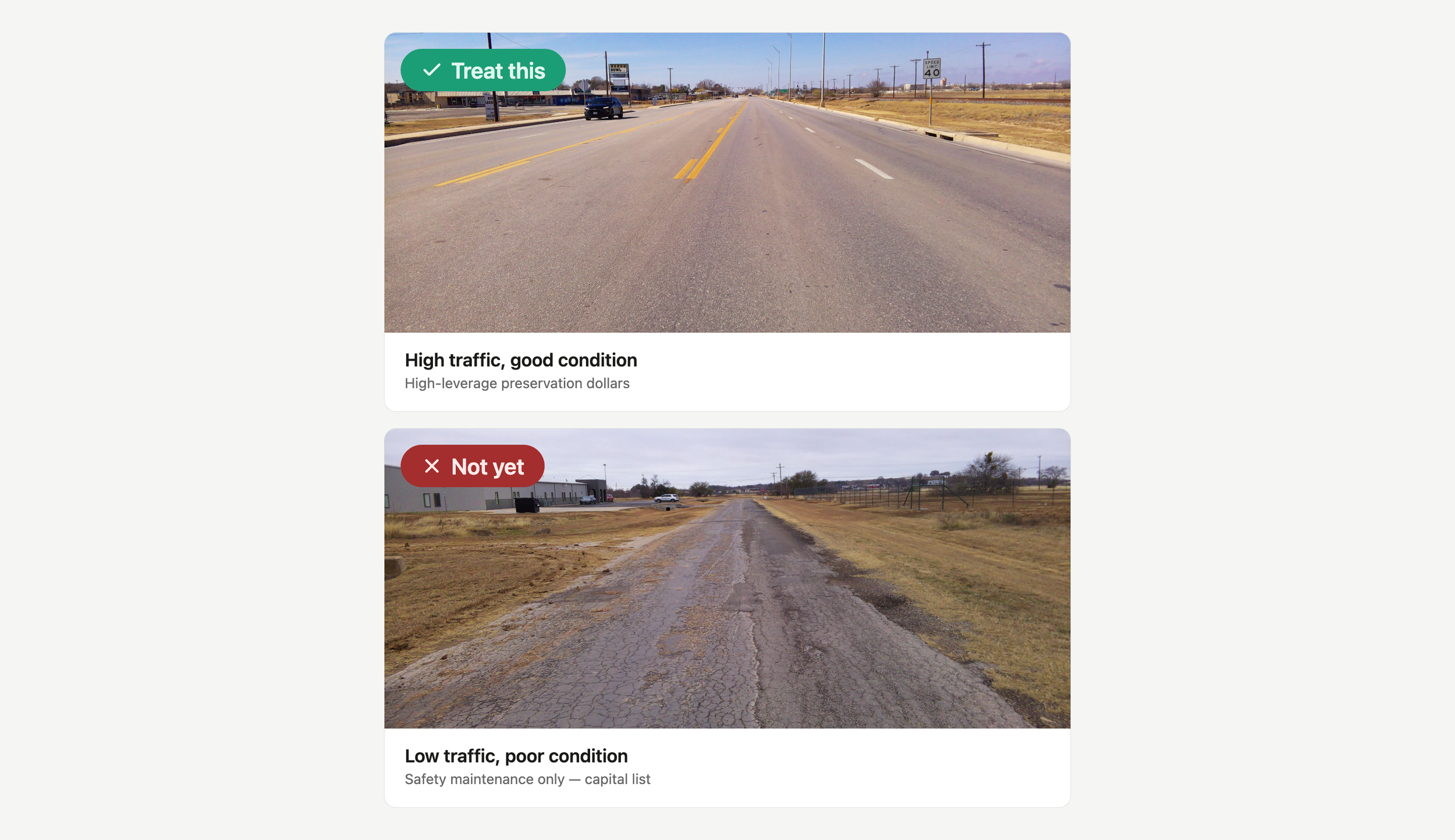
Most pavement management advice assumes you have enough budget to do the math properly. But many city managers I talk to are looking at a budget that covers maybe half of what their network needs, and they want to know: where do I put the money?
The answer isn't your worst roads. It's the roads where your dollars protect the most value. Those are different things, and confusing them is how cities spend their entire paving budget on roads that were already too far gone to save.
Your Starting PCI Changes Everything: Understanding the Pavement Aging Curve
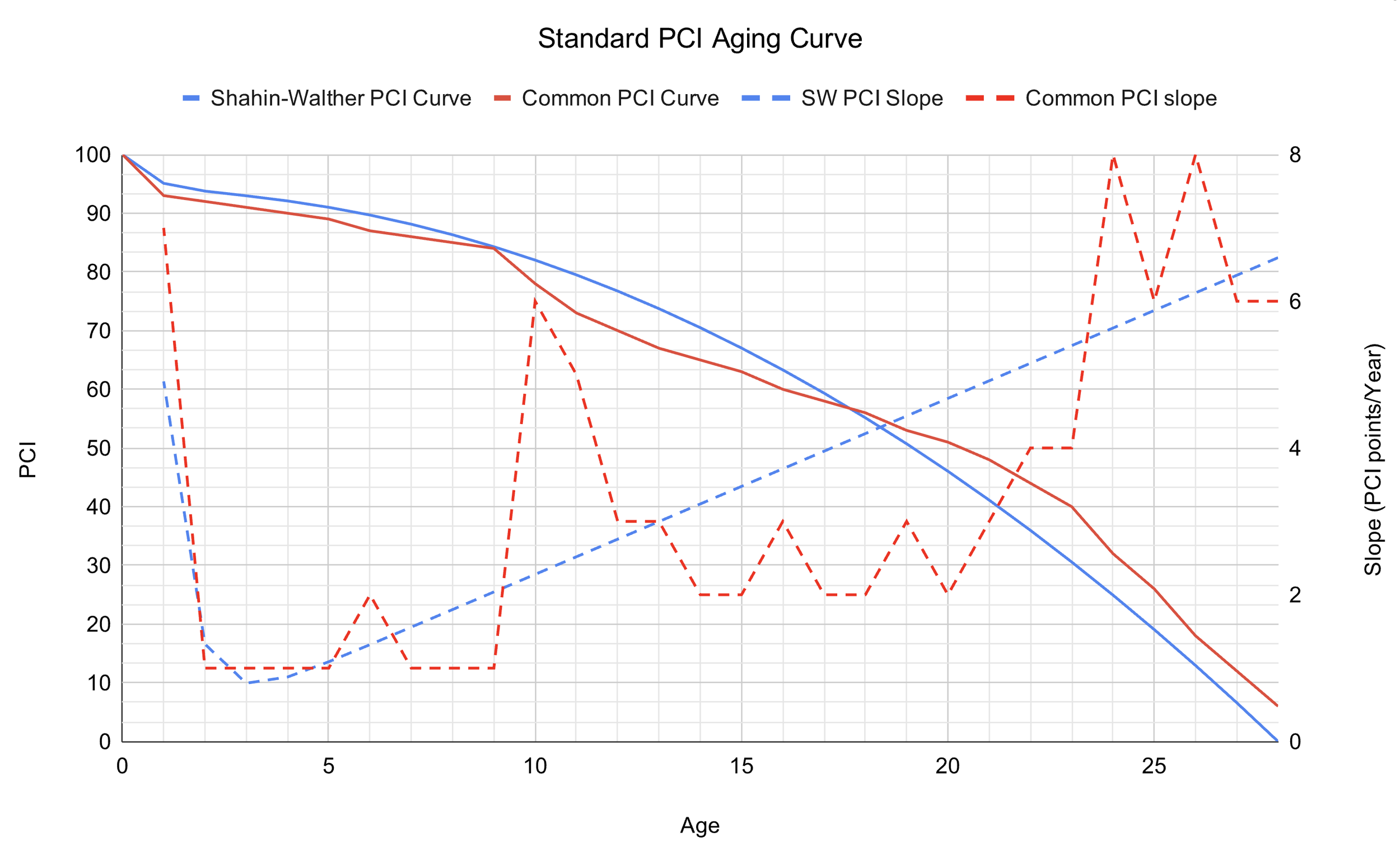
Why do two cities with the exact same average PCI often require completely different road maintenance budgets? The answer lies in the non-linear pavement aging curve. Learn how your network's starting conditions dictate how hard—and how expensive—it is to protect your community's roads before they hit the "crumble zone."
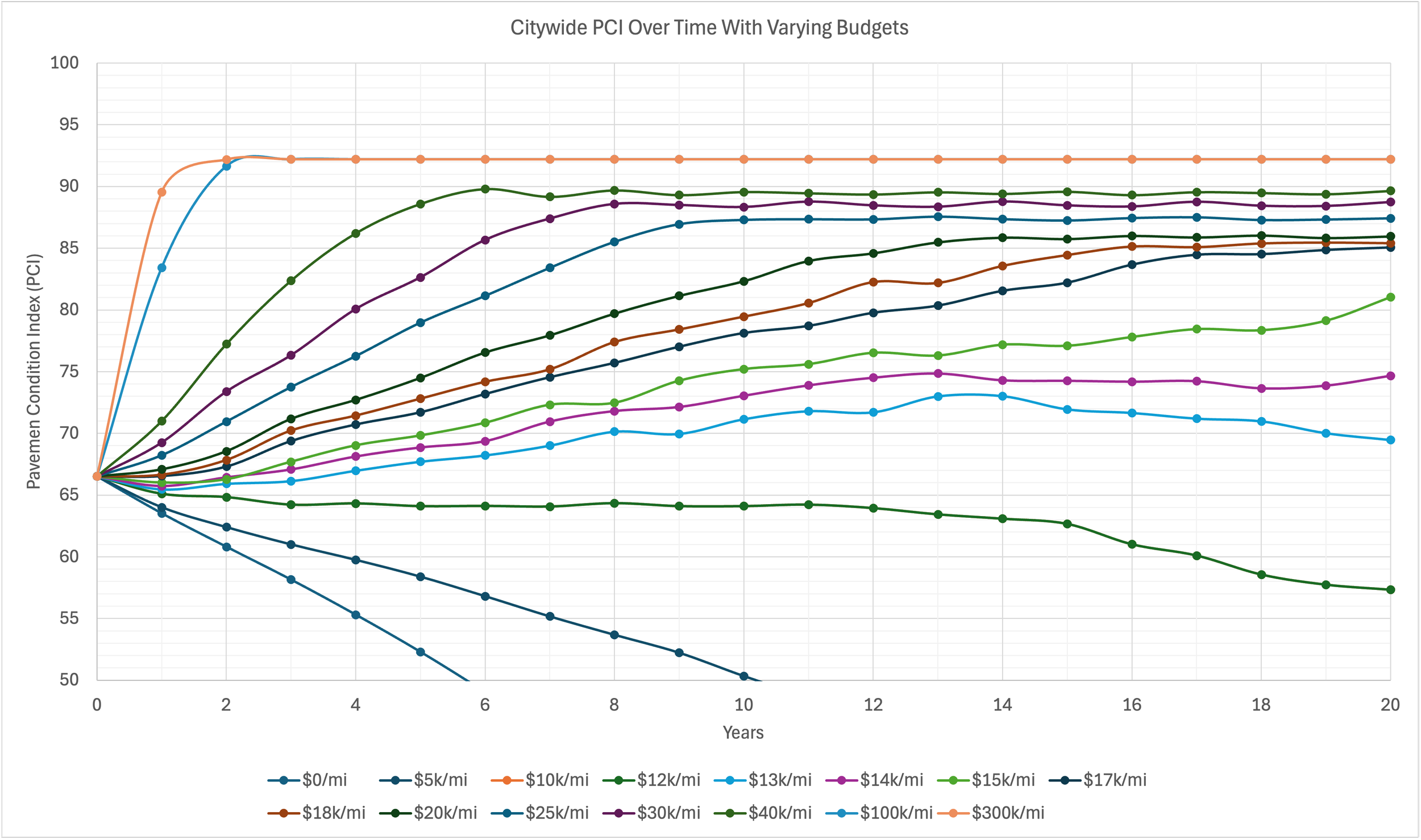
The $20,000 Rule: How Much Does It Really Cost to Maintain City Roads?
Every city manager and public works director has asked some version of this question: If we spend X on roads this year, what happens? The honest answer is that it depends — on your road network, your starting condition, your goals, and your methodology. But we can model it.
Using GoodRoads' pavement management tools, we ran a citywide PCI projection across a wide range of annual budget levels — from $0/mile all the way up to $300k/mile.
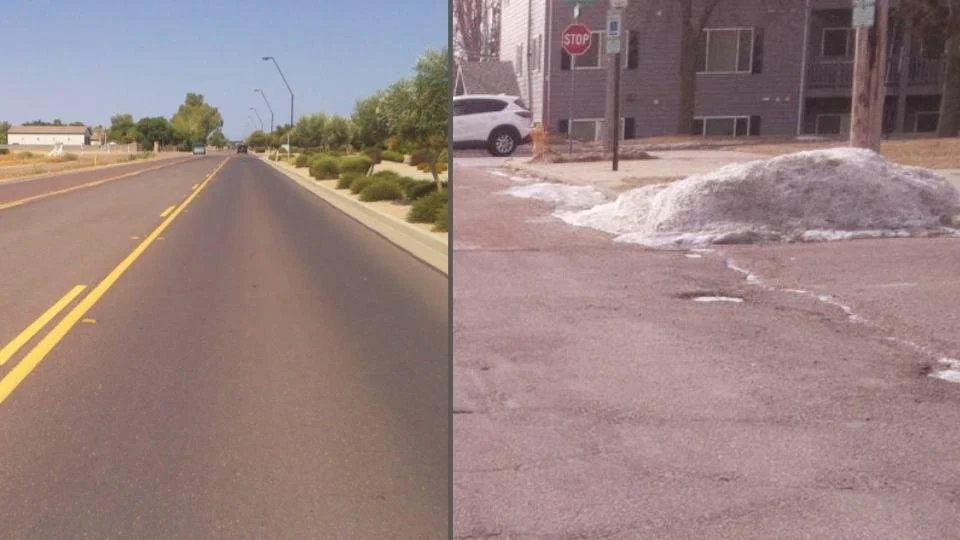
The Force Multiplier: Why Your Climate Dictates Your Maintenance ROI
When we look at the average Pavement Condition Index (PCI) across our national network, the "Weather Tax" becomes visible. By grouping our client data by climate profile, we see how the environment forces different "Aging Curves" on different regions.
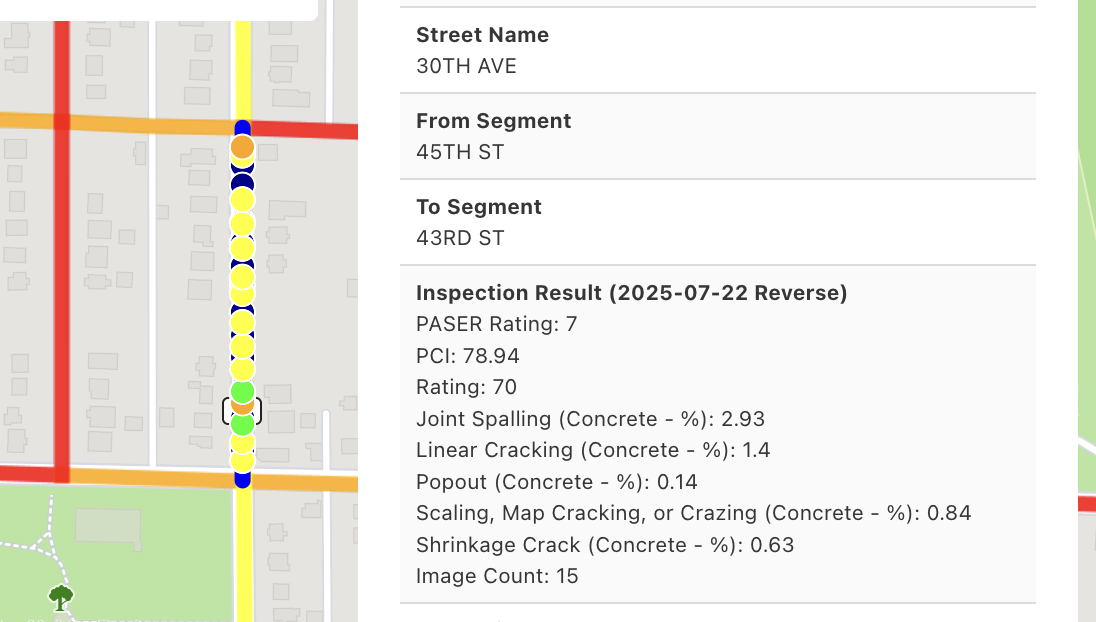
How GoodRoads Automates PASER Pavement Assessments
What You Get: An interactive map of PASER scores, a prioritized treatment list, and a multi-year budget forecast. A full city network in days, not months.
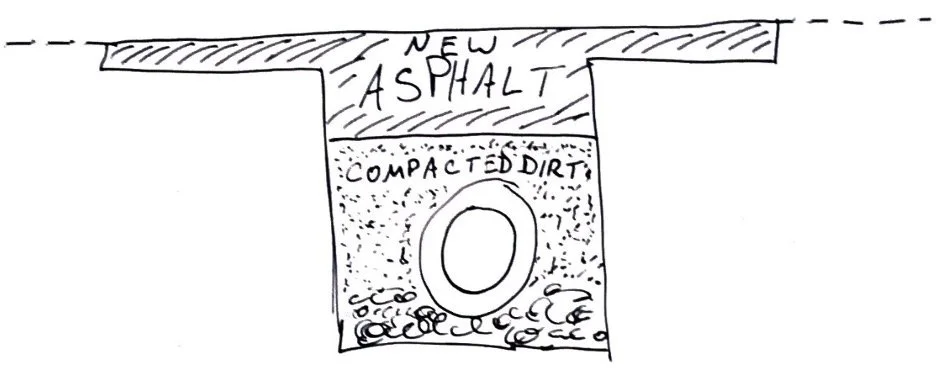
What Cities Are Doing About Utility Cuts
So utility cuts are inevitable, and the physics of trench repair makes them hard to do well. Does that mean cities are just stuck with degraded roads and bumpy commutes?
Not necessarily.
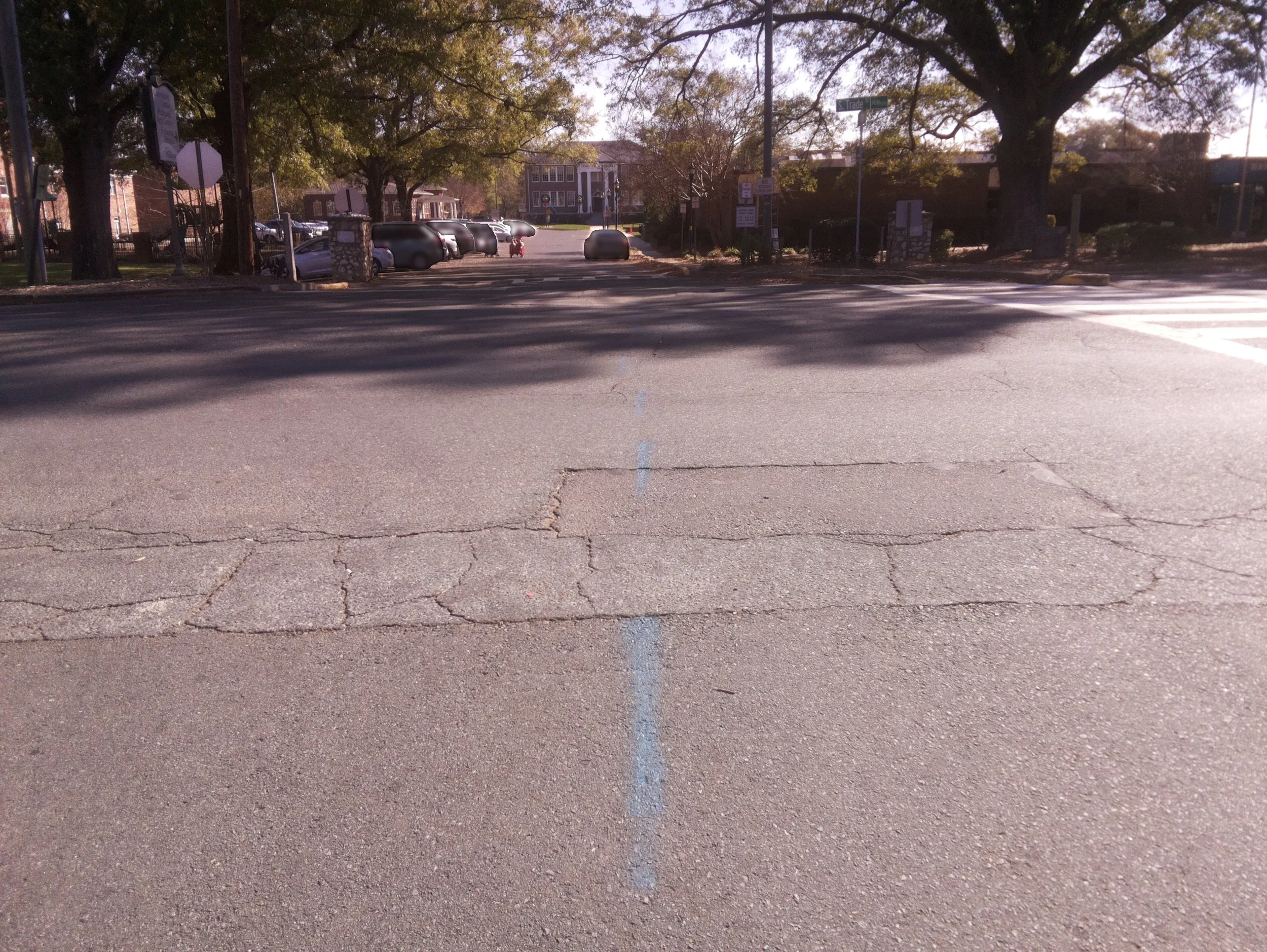
Why Do Utility Cuts Wreck the Road?
The FHWA's Manual for Controlling and Reducing the Frequency of Pavement Utility Cuts puts it plainly: utility cuts reduce pavement life, and the damage extends well beyond the patch itself.
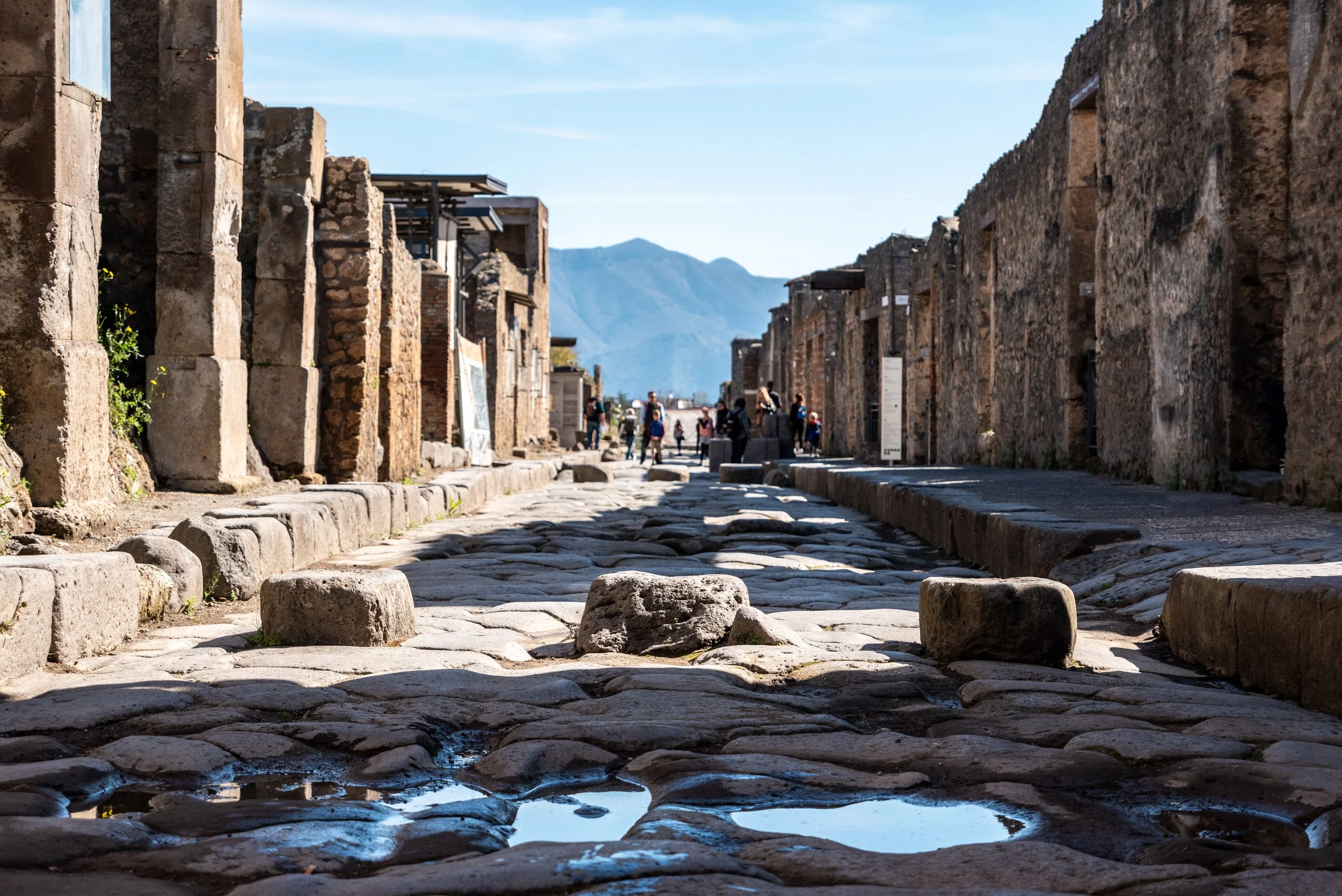
Why Do Utilities Live Under Our Roads?
Utilities need maintenance. Underground utilities require excavation. And if the utility is buried under a road, that excavation goes through the road. Cities have some control over how disruptive this is — and some surprisingly clever policies to manage it.
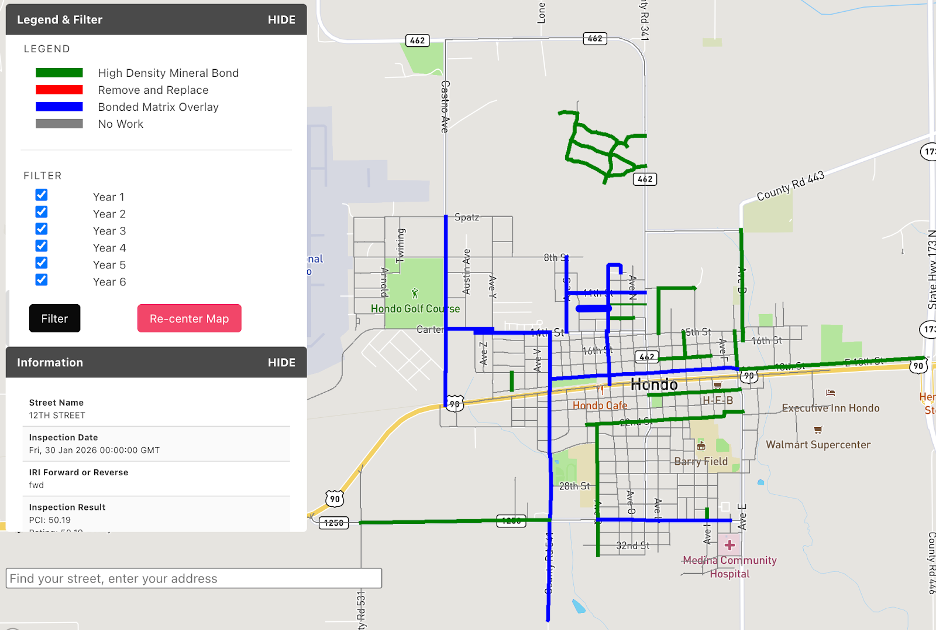
Beyond the Potholes: Why We’re Making Our Road Data Public
We know pavement managers can’t spend thirty minutes on the phone with every resident. That’s why we’ve developed the Public Portal. It’s designed to give every resident the same data-driven "loop" that the gentleman in my story valued so much.
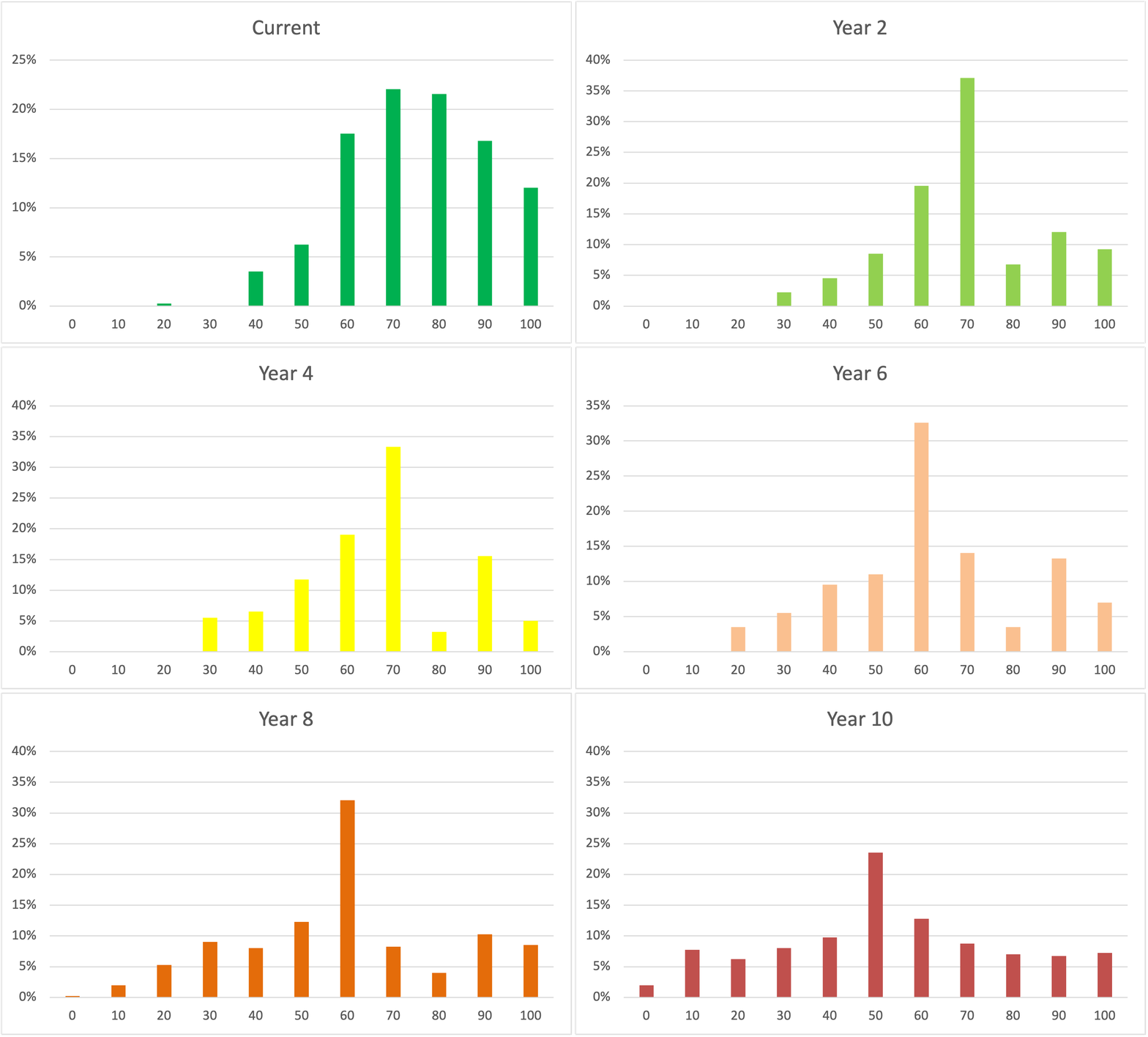
The Hidden Cost of Bad Roads: Why Waiting to Repair Is So Expensive
The Hidden Cost of Bad Roads: Because it costs so much to fix a failed road, a City can fall into the “Worst First” curse, where they forgo maintaining 2 fair roads or 20 good roads to reconstruct a single bad road.