
Why Do Utility Cuts Wreck the Road?
Part 2 of 3 in a series on utility cuts
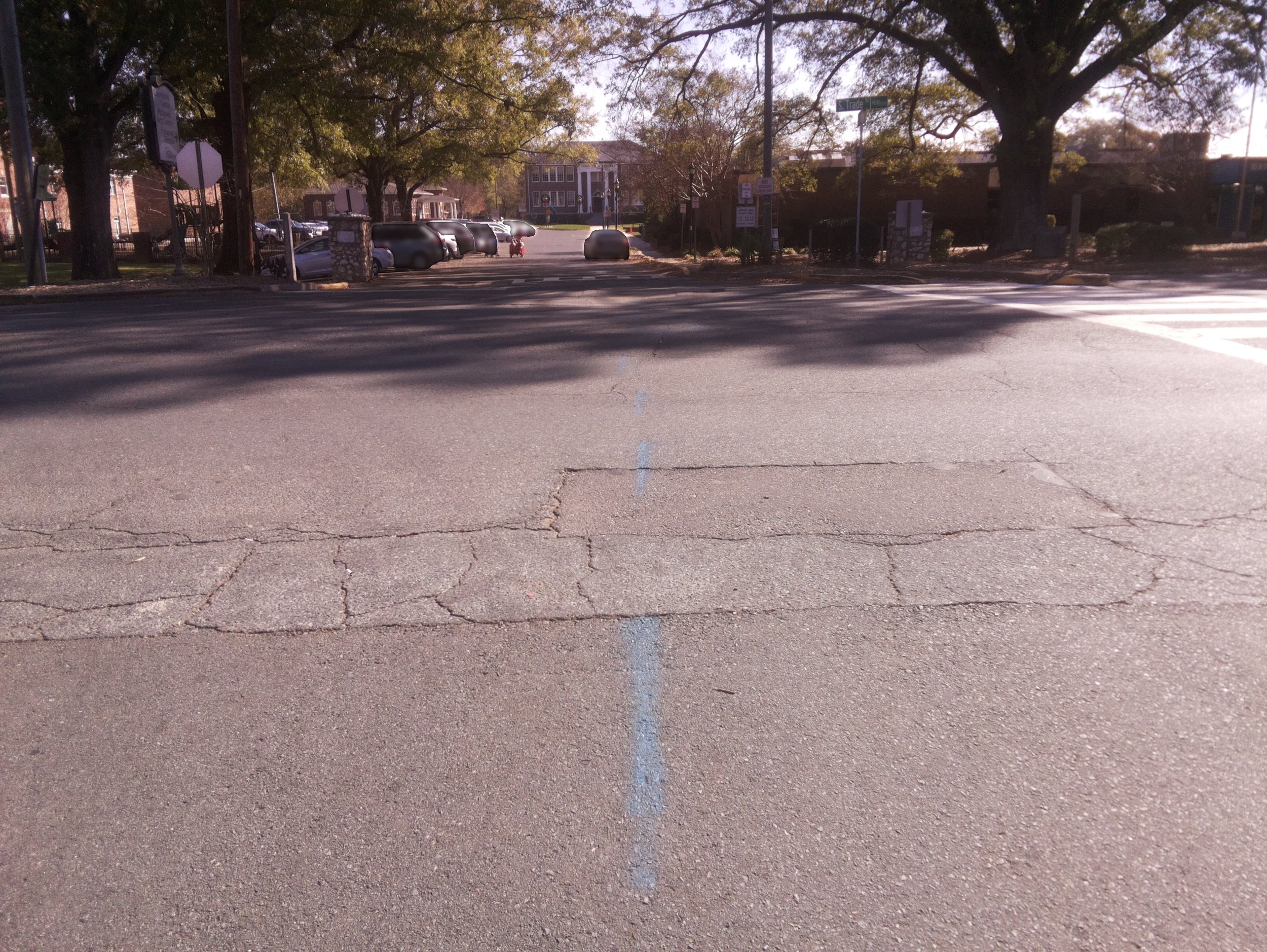
Degraded utility patch
If you've ever driven over a utility cut patch, that banded strip of newer pavement across your lane, you've probably noticed it doesn't feel quite the same as the road around it. It might be slightly raised or sunken. It might have a rough seam on each side. And it rarely seems to fully go away over time.
This isn't always negligence. Sometimes it's just physics.
Two Steps, Two Problems
Building a road or patching one is a two-step process: compact the ground below, then lay the asphalt on top (don’t forget to compact the asphalt too!).
Step 1: Compacting the subgrade. The soil beneath a road needs to be packed down tight before any paving happens. Loose soil settles over time, and anything built on top settles with it. For a new road or a full resurfacing project, this is done with large vibratory compactors: heavy machines designed to apply consistent compaction force across a wide area.
In a utility trench, you don't have that option. A trench might be two feet wide. The only tool that fits is a plate compactor, a handheld machine sometimes called a "whacker" (named after the Whacker brand, and hilariously accurate). It gets the job done, but it simply cannot achieve the same compaction density as the heavy equipment used on a full roadway. The result: the soil in the trench is a little looser than the soil beside it, and over time, it compresses further under traffic loads.
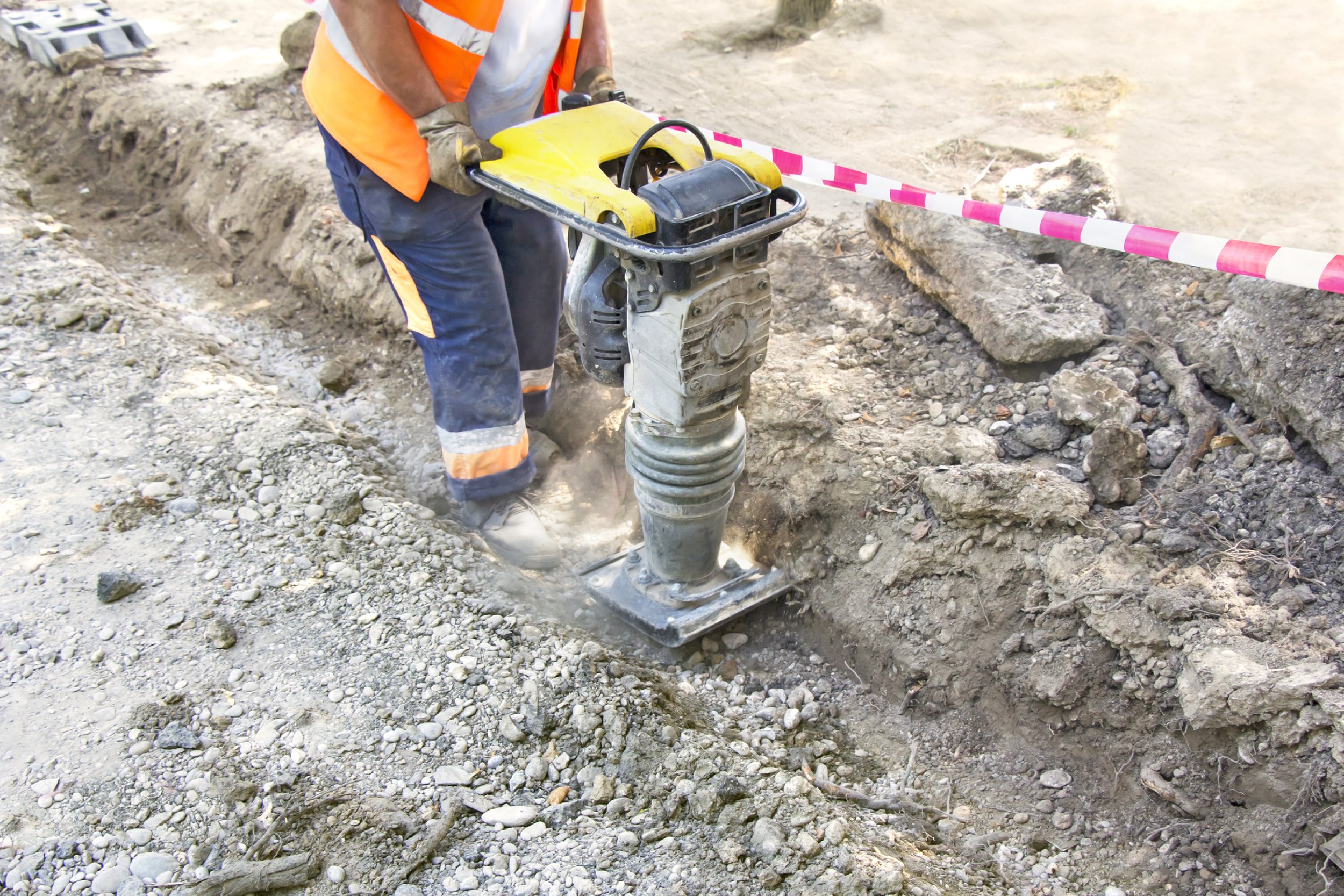
A whacker… whacking
Step 2: Paving. Once the trench is backfilled and compacted, the asphalt goes in. Again, on a full road project you'd use a large paver and a heavy roller to get a smooth, dense surface. In a narrow trench, the asphalt is placed by hand and compacted with small equipment (no it’s NOT okay to just drive a truck over it a few times). Achieving the same density and smoothness is much harder to do — and the joint between the new patch and the existing pavement is a particular weak point, prone to cracking, raveling, and water infiltration over time.
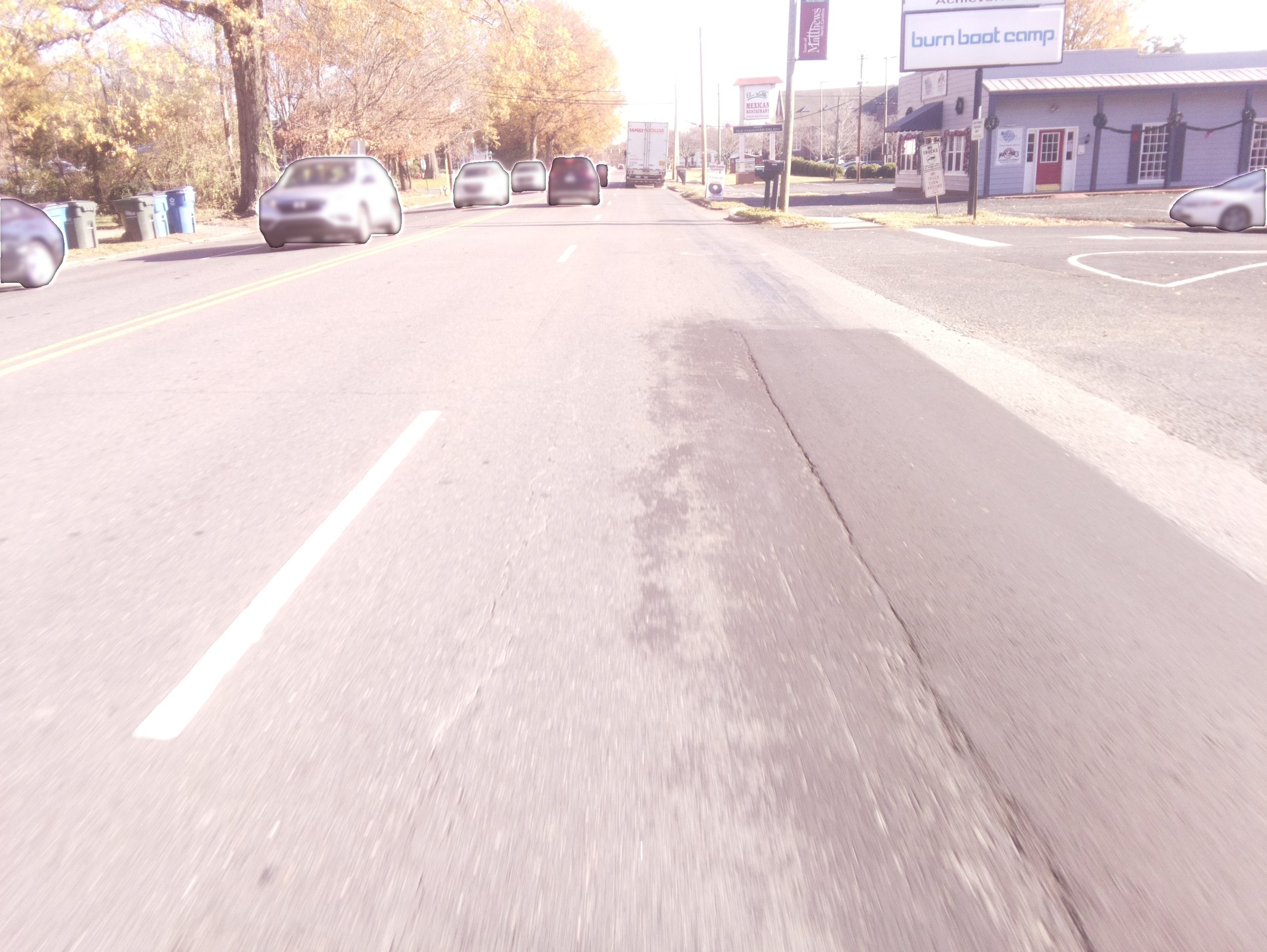
A new utility patch
The Compounding Effect
Here's what makes this worse: water gets into those weak joints. Freeze-thaw cycles open them up further. Traffic loads and water trickling through cracks and joints keep working the soil underneath. What started as a slightly rough patch becomes a bump, then a pothole, then a full-on pavement failure in the surrounding area sometimes several times larger than the original trench.
Studies have found that pavement adjacent to utility cuts degrades significantly faster than undisturbed pavement. The FHWA's Manual for Controlling and Reducing the Frequency of Pavement Utility Cuts puts it plainly: utility cuts reduce pavement life, and the damage extends well beyond the patch itself.
Is Anyone Doing Anything About It?
Yes, actually. There are a range of policy tools cities can use from better trench specifications to coordination requirements to outright moratoriums on cutting recently-paved roads. Some cities are getting creative, and a few are getting results.
That's the topic of the final post in this series.
Next up: What Cities Are Doing About Utility Cuts
If you’d like to learn more tips and tricks for pavement management or need expert advice on navigating utility coordination, we’re here to help. Reach out to the team at GoodRoads and let’s build better roads together!